
From origin to bottle. From bottle to the story behind it.
TRAZAVINUM links the winery’s work, the wine and the finished product with the information that keeps their story connected.
Learn about TRAZAVINUMA bottle is the visible end of a much longer story.
Vineyard, winery, production, wine, lot and bottling are all part of a story that unfolds across different stages and ultimately takes shape in the bottle.

TRAZAVINUM links stages and information that the winery chooses to retain and share.
What TRAZAVINUM does
- Vineyard
- Winery
- Production
- Wine
- Lot
- Bottling
- Bottle
- Information
- Who enjoys the wine
The winery decides what information to publish.
For the winery
Every wine brings together work, decisions and information from different stages at the winery.
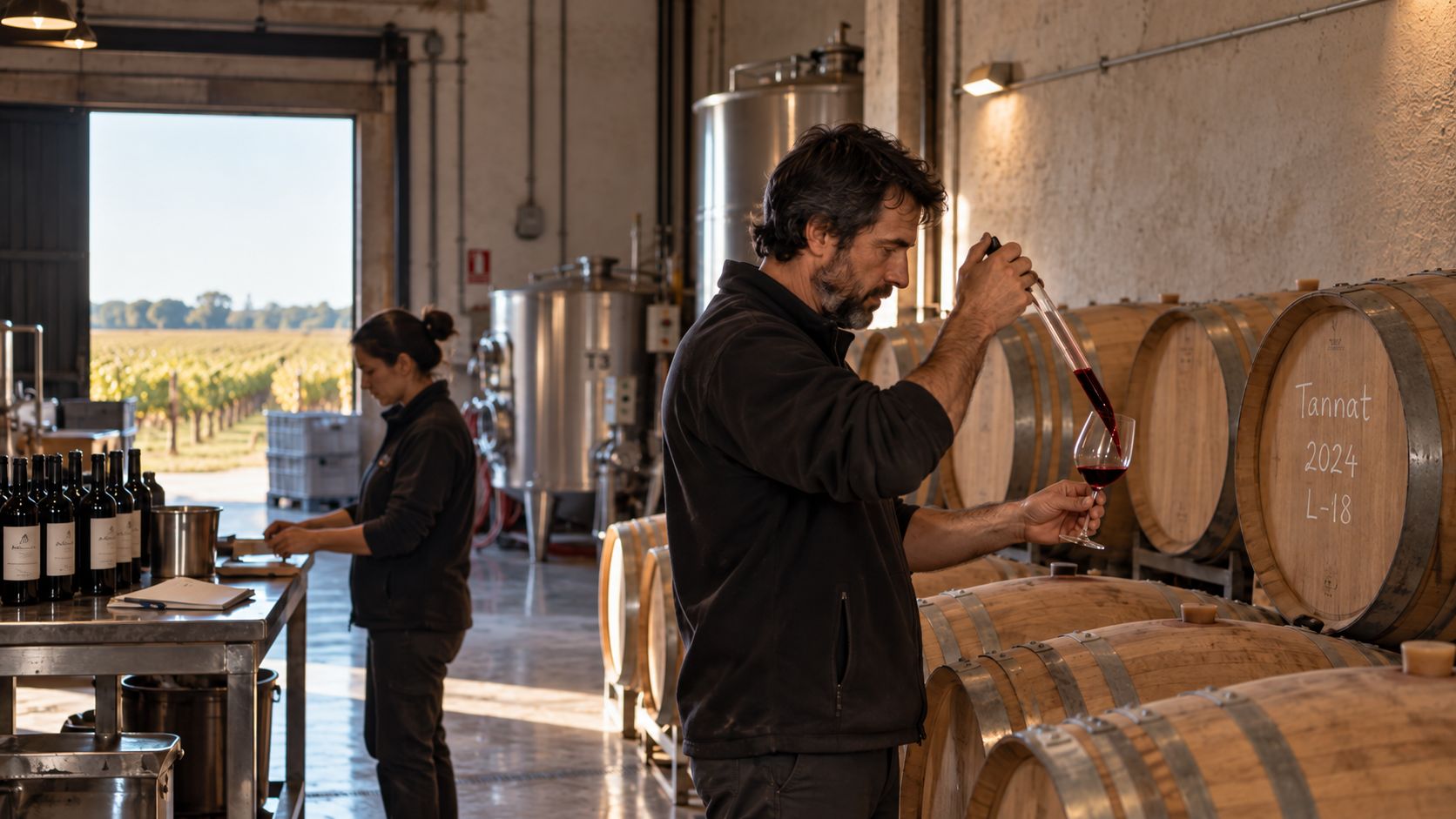
TRAZAVINUM links that information to the wine, the lot and the finished product, keeping the story connected so the winery can share it beyond its doors, all the way to the person who later enjoys the wine.
Technology that supports the winery
Behind that continuity, TRAZAVINUM links information from different stages so it retains its context rather than remaining isolated.
Technology supports the work without replacing it, while the winery decides what information to share.
For those who enjoy wine
When wine reaches the table, the information the winery chooses to share can accompany the moment.

Anyone who chooses, opens or shares it can find context about the wine, its origin and its lot, without taking the focus away from the wine itself.
How it works
When a winery decides to publish a lot, the information it has retained and chooses to share can become available on a public page in three steps.
Record
The winery retains information generated through vineyard activities and the different winemaking processes.
Link and publish
TRAZAVINUM links it to the wine, the bottled lot and the finished product, and prepares the information the winery chooses to publish.
View
The published information is made available at a public URL. Where appropriate, a QR code on the label leads to that page.
More context for confidence
A public page brings together the public data for a bottled lot and, where the recorded links make this possible, may include context about where it comes from. These relationships help make its story easier to understand, without constituting certification.
A lot reference
Each published lot has its own public page, associated with the public data in its published record.
Origin information, when available
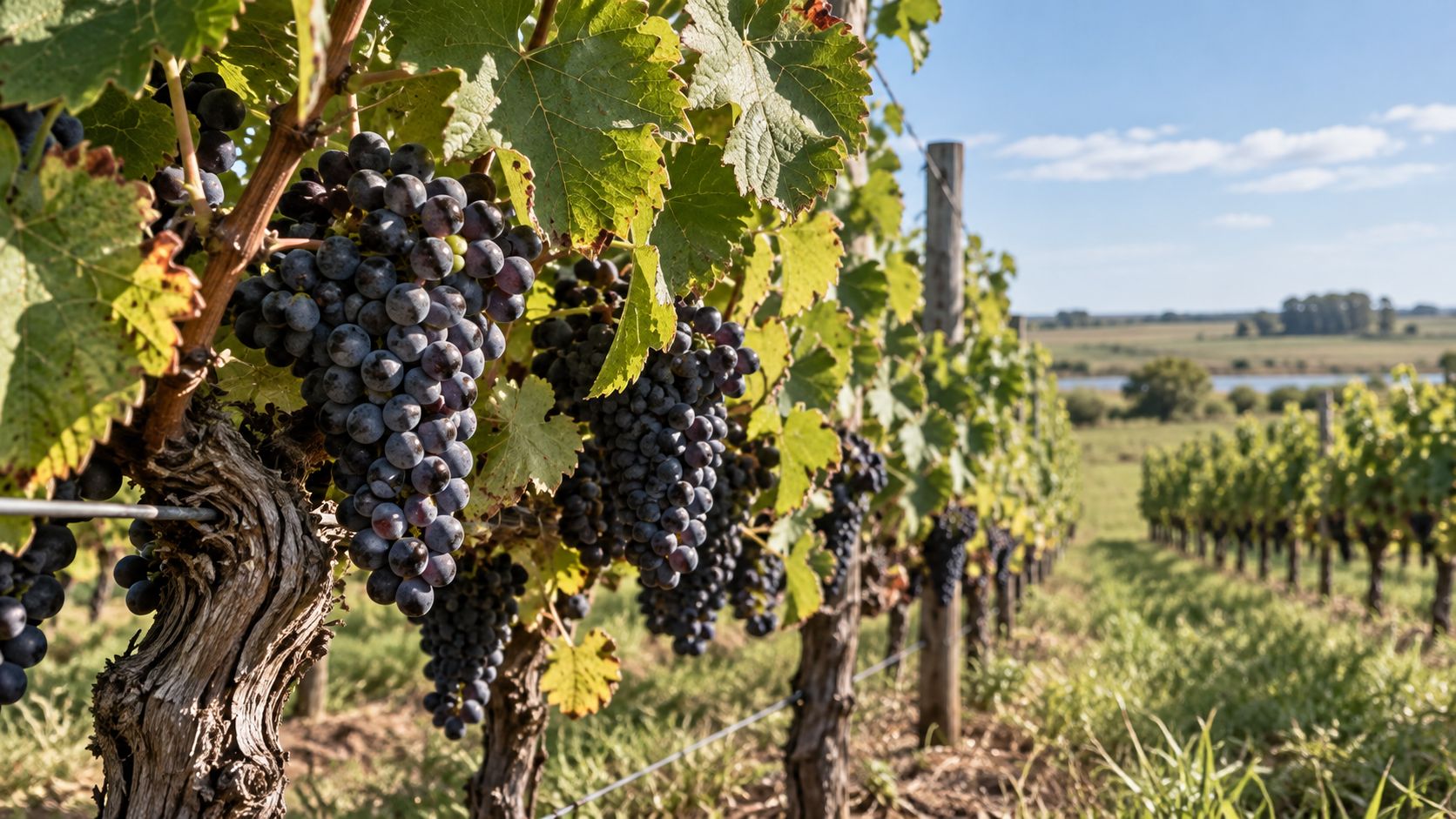
When included in the records, the public page may contain links to the vineyard, vineyard parcels and grape intake.
Security that supports the work
Day-to-day work remains within the winery’s private workspace. TRAZAVINUM validates access, keeps operations within each winery’s context and separates that work from the public page.
Access based on responsibilities
Sessions and permissions define who can work within each winery’s workspace.
A separate public record
The public page is generated as a specific representation of the lot; it does not expose the internal record.
Published record validation
The public page checks that the reference matches a lot published on TRAZAVINUM and displays the information the winery chose to share.
TRAZAVINUM in use at the winery
Real screens with demonstration data: the lot is managed in the winery’s private workspace and, once published, has a separate public page.


A project rooted in Uruguay
TRAZAVINUM is a Uruguayan project that puts technology at the service of wine and winery work.

It makes it possible to record, in an orderly and systematic way, the information generated at different stages of that work and link it to the wine, the lot and the finished product.
Those records make it easier to review, display and present information in different ways for different audiences.
Let’s talk about TRAZAVINUM
If you are part of a winery and would like to learn more about the project, we can discuss its scope and the context of your work.
Email TRAZAVINUM